
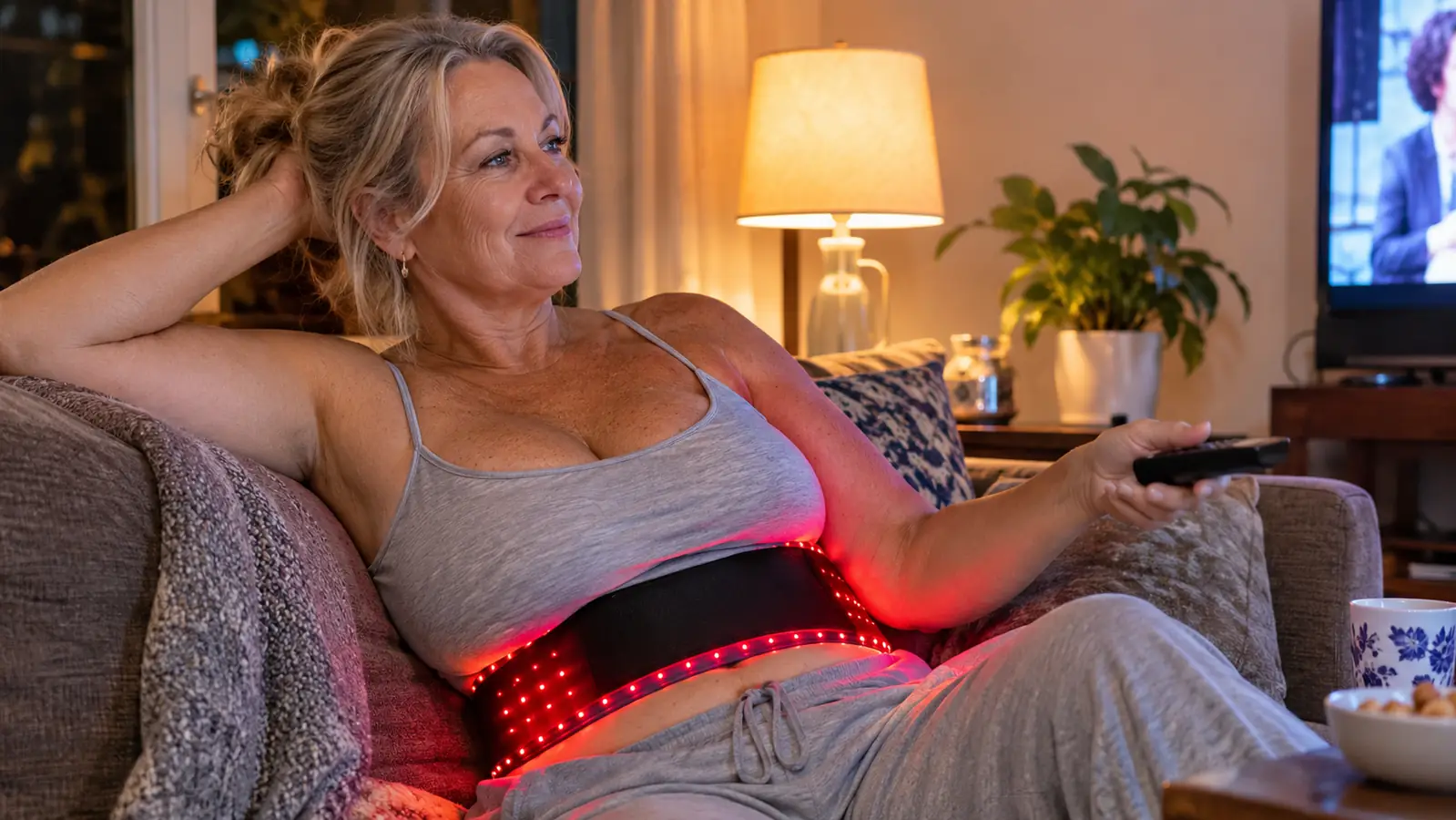
If you have been looking at red light belts at all, you have probably seen the same thing I did: a dozen listings that all look alike, most of them from brands you have never heard of, at prices that make you wonder what you are actually paying for. I spent weeks comparing the Lifepro Allevared belt against the budget red light belts that crowd the search results, and the honest answer is that both can put light on your skin. The difference is in the details you cannot see in a product photo: how the belt actually stays on, how the modes behave, and whether the company behind it will still be there when you have a question. If you only want one sentence: buy the Lifepro Allevared if you want a belt that covers more ground, gives you a choice between RED, NIR, or both, and comes from a company that answers when you call. Buy a budget belt if you are still figuring out whether red light therapy will stick, if you only need a small area, or if the upfront cost is the whole decision for you.
I am Carla Benton, and I have been using at-home red light therapy for about two years, mostly for stiff knees from thirty years of standing chairside as a dental hygienist, and for skin that has seen plenty of Georgia summers. I do not have medical credentials, so I will not tell you what red light will do for your body. I will tell you what I noticed using the Lifepro Allevared, what I noticed testing a budget belt a friend loaned me, and the three questions I would ask before you spend money on either.
| Lifepro Allevared | Budget red light belt | |
|---|---|---|
| LED count | 105 triple chip LEDs across a flexible pad | Usually 60 to 90 LEDs, often single chip |
| Modes | 3 modes: RED, NIR, or both | Often one mode, sometimes a low/high toggle |
| Fit | Wraparound adjustable pad, 49.49 x 7.72 x 0.39 inches, neoprene material | Varies widely; some are stiff and slide down when you sit |
| Build | Soft, flexible pad with a neoprene exterior and a 12 volt DC connection | Thinner pads that can feel flimsy at the seams |
| Support | Lifetime customer support from Lifepro | Often a 30 to 90 day window, if the seller responds at all |
| Price | Higher, but you are paying for the pad, modes, and support | Lower upfront cost, harder to judge quality before it arrives |
How I Compared Them
I am not a scientist and I do not have lab equipment. What I have is a routine. Two or three evenings a week, I sit on the living room couch with my husband Ray, we put on a movie, and I run a red light session. That is the test that matters for me: does the belt stay where I put it, does it feel comfortable for thirty minutes, and do I actually reach for it again the next night? The Lifepro Allevared passed that test easily. The budget belt I tried did not fail, but it made me work harder to use it.
Here is what I paid attention to during the weeks I used both. First, does the pad lie flat against my body or does it buckle at the edges? Second, does the belt stay wrapped around my midsection when I lean back into the couch? Third, are the modes actually different, or is one button just brighter than the other? And fourth, what kind of support would I get if something stopped working? I also checked the specs on both, because the listing photos can make a thin pad look substantial.
One more thing about my testing. I did not run these belts side by side on the same day. I used the Lifepro Allevared as my main belt for several weeks, then spent time with a budget belt that a friend bought and kindly let me borrow. That means my impressions of the budget belt come from a shorter window. I will tell you where I am less sure, because you deserve to know the difference between what I tested hard and what I only got a feel for.
The budget belt I borrowed was not a terrible product. It turned on, it got warm, and it put out light. But it slid down when I leaned back, the pad felt stiff against my ribs, and the single mode meant I could not adjust anything for the area I was treating. None of those are dealbreakers if you are only using it for ten minutes on a knee. They matter a lot more if you are planning thirty minutes on the couch.
Where Lifepro Allevared Wins
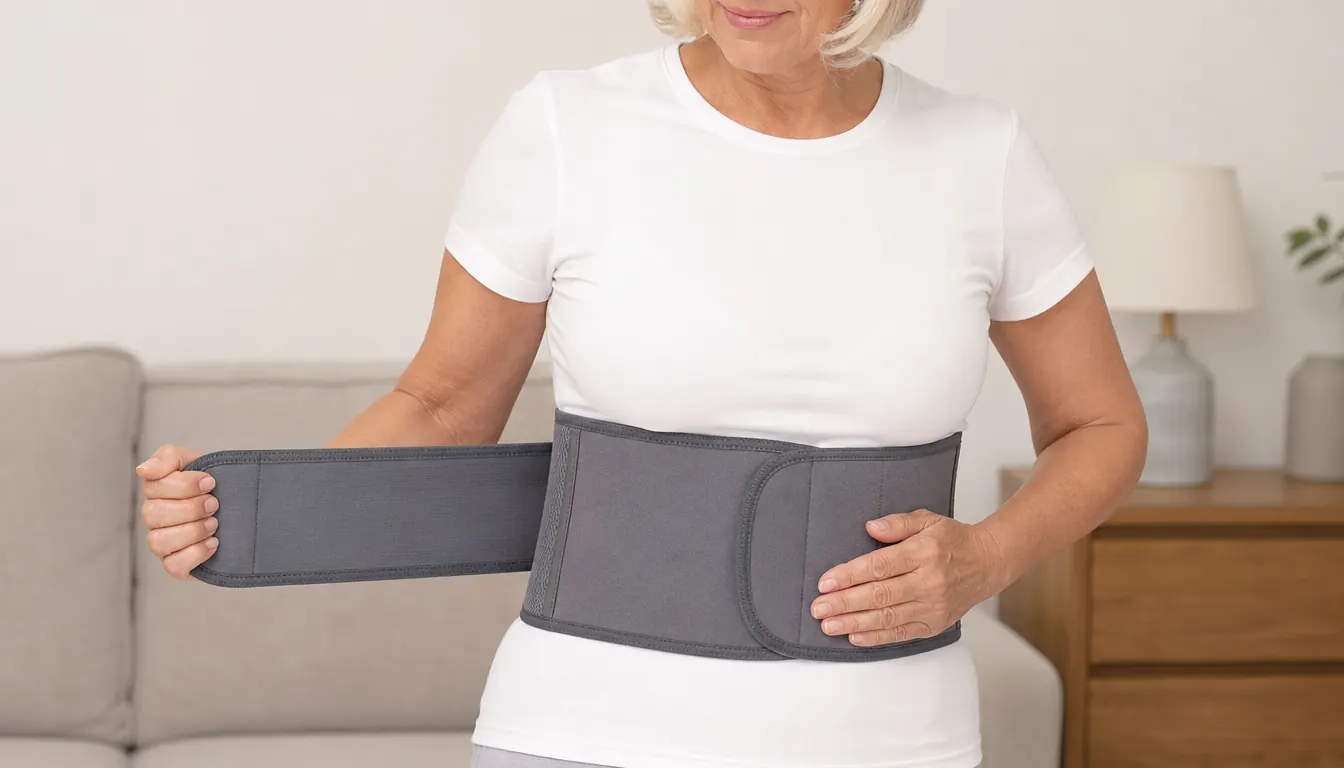
The first thing I noticed with the Lifepro Allevared is that it stays where I put it. The pad measures 49.49 x 7.72 x 0.39 inches, which sounds like a lot of numbers until you wrap it around your midsection and realize the length is what lets it cover more ground in one session. The neoprene material gives it just enough grip to stay put over a t-shirt, and the soft, adjustable design means I can wear it on the couch without feeling like I am strapped into equipment. At 14.11 ounces, it is light enough that I forget it is there halfway through a movie.
The three custom modes are the other clear win. You can switch between RED, NIR, or both, and for me that flexibility matters because I use the belt for different reasons on different days. Some days I want the gentler red light session while I watch a movie with Ray. Other days I want to run both wavelengths and just get the session done. A budget belt with a single mode does not give you that choice. The specs list three settings, and in practice the difference between them is noticeable, not just a marketing bullet.
I also like that the Lifepro Allevared is sold as a wraparound device for full-body relaxation. That is not a medical claim, and I am not making one. It just means the pad is long enough to wrap around a midsection and flexible enough to sit flat while you are leaning into a couch cushion. For my routine, that is the difference between a device I use and a device I keep meaning to use.
If you want a belt that covers more ground and stays put, this is the one
The Lifepro Allevared brings 105 triple chip LEDs, three modes, and a wraparound neoprene pad to your couch session. Check today's price on Amazon to see if it fits your routine.
Amazon Check Today's Price on Amazon →Where the Budget Belt Wins
I will be honest: the budget belt wins on price, and that is not a small thing. If you are still in the 'I am not sure this will become a habit' phase, a lower upfront cost makes it easier to try red light therapy without a big commitment. I have also seen budget belts that are perfectly fine for someone who only wants a short session on one small area, like a knee or an elbow, and who does not need to wrap the pad around anything larger. If that is your situation, spending less is a reasonable choice.
The budget belt also wins on the 'if it breaks, I am not out much' math. Some of them are genuinely lightweight and easy to travel with, and if you only use it a few times a month, a cheaper belt might honestly be enough for you. My caution is simply that you are rolling the dice on quality and support. I have read plenty of reviews from people whose budget belt stopped working after a few weeks, and the seller was nowhere to be found. That is the trade you are making, and you should make it with your eyes open.
The other thing the budget belt has going for it is that losing it or breaking it would not hurt. I am careful with my things, but I also know myself. A cheaper belt that I can toss in a bag for a trip, without worrying about the connection or the warranty, has a place in a lot of people's lives. If that sounds like you, then the budget belt is not a compromise. It is the right tool for your season.
The budget belt wins on price. The Lifepro Allevared wins on the things you cannot see in a listing photo: how it stays on, how the modes behave, and whether the company is still there when you have a question.
What the Specs Actually Tell You
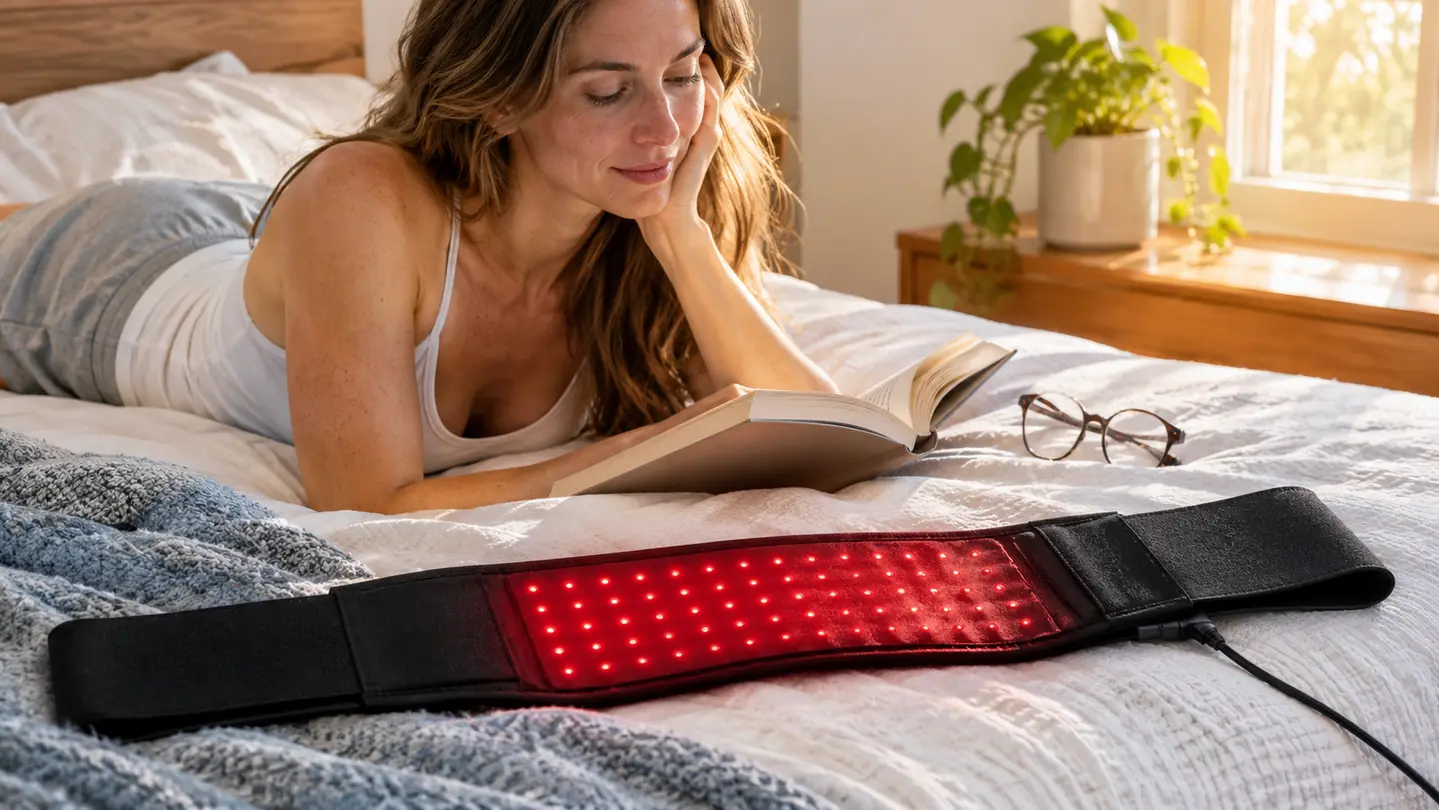
When you look at the Lifepro Allevared listing, the numbers that matter are these: 105 triple chip LEDs, three settings, dimensions of 49.49 x 7.72 x 0.39 inches, a weight of 14.11 ounces, neoprene material, and a 12 volt direct current connection. Each one tells you something. The LED count tells you how much coverage you are getting. The three settings tell you that RED, NIR, or both are available. The dimensions and weight tell you whether this is something you will actually want to wear.
The specifications also tell you what this product is not. There is no app, no Wi-Fi, no complicated programming. It is a flexible pad with a power connection, and that simplicity is part of the appeal for me. I do not want another device that needs a firmware update. I want something I can wrap around my midsection, turn on, and forget about for the length of a movie. The Lifepro Allevared is that kind of device.
What to Check Before You Buy Any Red Light Belt
Before I give you my final take, here are the questions I would ask about any red light belt, including the Lifepro Allevared. First, how many LEDs does it actually have, and are they triple chip? The Lifepro lists 105 triple chip LEDs, which was a big part of why I looked at it in the first place. A belt with 60 single LEDs is not the same product, even if the listing photo looks similar.
Second, what modes does it offer? The Lifepro Allevared gives you RED, NIR, or both, and the specs list three settings. Some budget belts only have one mode, which is fine if you know you only want one thing. Third, what is the material and how does it fit? The Lifepro uses neoprene and measures 49.49 x 7.72 x 0.39 inches. A belt that is too short will not wrap where you need it, and a belt that is too stiff will slide down the first time you lean back.
Fourth, what kind of support comes with it? The Lifepro Allevared lists lifetime customer support, and that was a meaningful point for me. Red light belts are simple devices, but they still have wires and connections. The power connection on the Lifepro is 12 volts of direct current, and I wanted a company that would be around if that connection ever gave me trouble. Fifth, read the return policy before you buy, not after. That advice costs you nothing and saves you a headache.
Who Should Buy Which
Buy the budget belt if you are truly unsure whether red light therapy will become part of your routine, if you only plan to treat a small area like a knee or an elbow, or if the upfront cost is genuinely the deciding factor. There is no shame in starting small. A budget belt that gets used is better than an expensive one that sits in a drawer, and you can always upgrade later if the habit sticks.
Buy the Lifepro Allevared if you want a belt that covers more ground in one session, if you want the choice between RED, NIR, or both, and if you want a company with lifetime customer support behind it. For me, the decider was the neoprene wraparound design. I use this belt several times a week while I sit on the couch, and I needed something that would not slide down or feel like a chore to put on. The 105 triple chip LEDs and the three modes were the reason I looked, but the day to day comfort is why I stayed with it.
Whichever you choose, check with your doctor before you start if you have any health conditions, and read the return policy before you buy. Those two steps will save you more frustration than any comparison review can. And if you are still torn, ask yourself one question: will I use this on the couch while I watch a movie, or will I have to make a special trip to a corner of the spare bedroom? Buy for the routine you actually have, not the one you wish you had.
I will also say this: do not buy either belt just because you think you should. Buy it because you have a specific time and place where you will use it. For me that place is the living room couch, usually with a movie on, and the Lifepro Allevared fits that scene better than anything else I tried. For you it might be a corner of the spare bedroom, or a hotel room on a work trip. Match the belt to the scene.
Ready to see the Lifepro Allevared up close?
Three modes, 105 triple chip LEDs, and a wraparound neoprene pad that stays put on the couch. Check today's price on Amazon before you decide.
Amazon Check Today's Price on Amazon →